
frosted glass suppliers
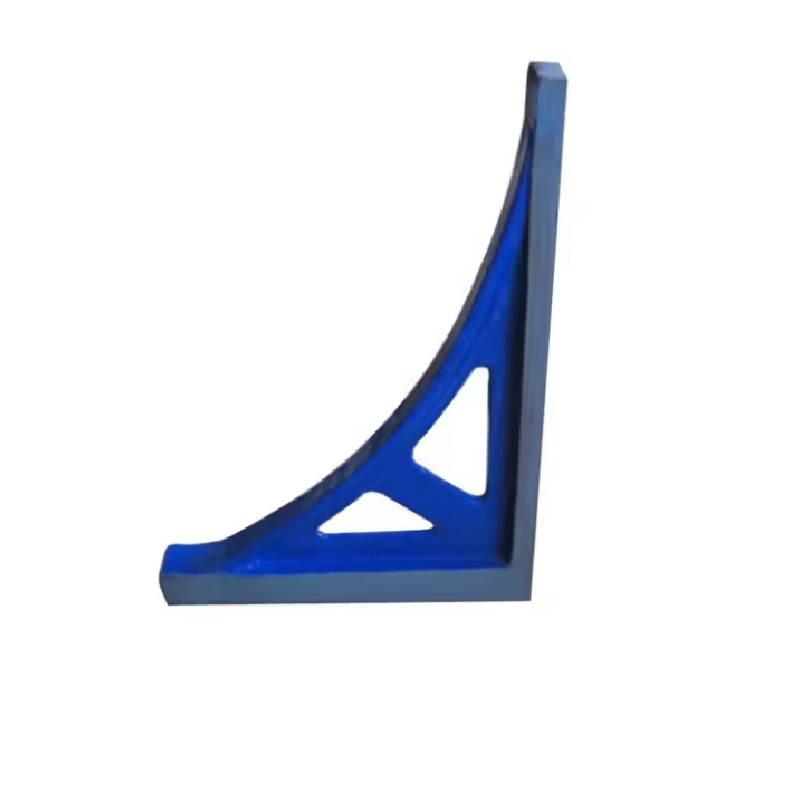
Exploring the Large Right Angle Ruler A Key Tool in Geometry and Design In the world of geometry and design, precision is paramount. Among the essential tools that aid in achieving such accuracy is the large right angle ruler. This instrument, often overlooked, plays a vital role in various fields, including architecture, engineering, woodworking, and arts and crafts. Understanding its significance, functionality, and applications can enhance both professional and amateur projects. What is a Large Right Angle Ruler? A large right angle ruler is a tool that features a 90-degree angle, typically constructed from durable materials such as wood, metal, or plastic. Its design includes two arms that form a right angle, enabling users to draw or measure straight lines with perfect accuracy. The ruler's size varies, with larger versions often used for more extensive projects, making them ideal for tasks requiring significant measurements or layouts. Importance in Geometry In geometry, the concept of right angles is fundamental. A large right angle ruler allows students and professionals to create geometric shapes and designs accurately. It assists in constructing perpendicular lines, which are crucial for creating squares, rectangles, and various polygons. This ruler simplifies complex geometric constructions, enabling users to build up elaborate designs from basic principles. Applications in Architecture and Engineering In architecture and engineering, the large right angle ruler is indispensable. Architects rely on its precision to create accurate blueprints for buildings, ensuring that walls and structures are aligned correctly. This tool helps to develop the foundational layout before any construction begins, preventing costly mistakes that could arise from miscalculations. large right angle ruler Furthermore, engineers use the ruler to draft machinery parts and components, ensuring that all angles are precise. This precision is essential for the functionality and safety of mechanical systems. A large right angle ruler can also assist in the verification of dimensions on-site, ensuring that the construction adheres to the design specifications. Woodworking and Craftsmanship For woodworkers and craftsmen, the large right angle ruler is a reliable companion. This tool allows them to mark and cut materials accurately, thus improving the overall quality of their work. In woodworking, achieving right angles is crucial for the stability and aesthetic appeal of the finished product. Whether constructing furniture, cabinetry, or intricate wooden designs, the large right angle ruler ensures that every piece fits perfectly. Additionally, artisans and hobbyists use this ruler in various creative projects, from framing artwork to designing home decor items. The ability to create straight lines and right angles effortlessly elevates the standard of craftsmanship, allowing for more intricate and sophisticated designs. A Tool for Education In educational settings, the large right angle ruler serves as an excellent teaching tool. Mathematics educators use it to introduce students to the concepts of geometry, angles, and measurements. By incorporating hands-on activities with the ruler, students gain a better understanding of spatial relationships and how to apply these principles in real-world scenarios. It also encourages the development of fine motor skills, which are essential for young learners. Conclusion The large right angle ruler may seem like a simple tool, but its impact is significant across multiple disciplines. From ensuring the accuracy of architectural designs to enhancing the quality of woodworking projects, this versatile instrument is essential for achieving precision. As we continue to emphasize the importance of accuracy in various fields, the large right angle ruler remains a timeless staple in the toolkit of professionals and enthusiasts alike. Embracing this tool not only fosters better craftsmanship and design but also lays a strong foundation for future innovations in geometry and construction. Whether you’re a student, a craftsman, or an architect, incorporating this ruler into your work can lead to better outcomes and a deeper appreciation for the art of precision.
about
frosted glass suppliers
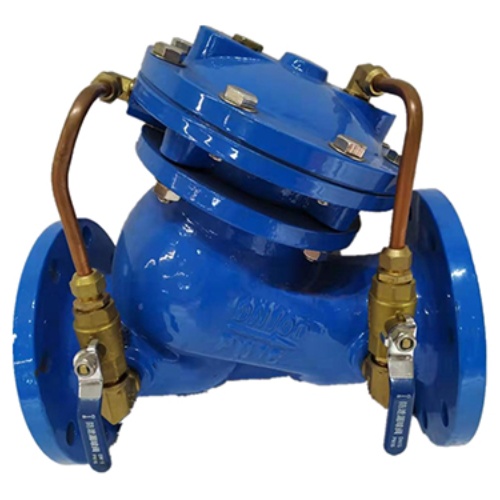
Water Flow Control Valves Essential Components for Efficient Fluid Management Water flow control valves are pivotal devices in various industrial and residential applications, playing a fundamental role in managing the flow of water or other fluids within a system. These valves help regulate the amount of fluid that passes through pipes, ensuring that processes run smoothly and efficiently, while also contributing to safety and cost-effectiveness. This article delves into the types, functionalities, and significance of water flow control valves. Types of Water Flow Control Valves There are several types of water flow control valves, each designed for specific applications. The most common types include 1. Gate Valves Gate valves are typically used for on/off control. They work by raising or lowering a gate within the valve body, allowing or stopping the flow of water. While they are suitable for isolation, gate valves should not be used for throttling purposes, as they can lead to erosion and damage. 2. Globe Valves Designed primarily for throttling, globe valves have a spherical body shape and an internal baffle that helps control flow rates. They provide excellent regulation and are ideal for maintaining precise flow control in systems requiring more than just on/off functionality. 3. Ball Valves Ball valves utilize a spherical disc to control fluid flow. They are known for their durability, reliability, and quick operation. Ball valves can be fully open or closed, providing a tight seal when closed, which makes them suitable for both isolation and flow control in various applications. 4. Butterfly Valves Butterfly valves consist of a disk that rotates around a central axis. They are lightweight and offer quick operation, making them suitable for large-scale water distribution systems. While they are efficient for on/off control, they can also be used for throttling flow. 5. Check Valves These valves are designed to allow fluid to flow in one direction only. They prevent backflow, which can be critical in systems where reverse flow might cause contamination or damage to equipment. Functions and Applications The primary function of water flow control valves is to manage fluid dynamics within a system. They ensure that the correct amount of water flows to various components, protecting pumps and other machinery from potential damage caused by excess pressure or flow. Applications range widely, including water flow control valve - Irrigation Systems In agriculture, flow control valves ensure optimal water distribution to crops, promoting efficient use of resources while preventing wastage. - HVAC Systems In heating, ventilation, and air conditioning systems, these valves regulate water flow to maintain desired temperatures and enhance comfort within buildings. - Industrial Processes Many manufacturing applications rely on precise flow control of water and other fluids in processes such as cooling, mixing, and chemical reactions . - Municipal Water Supply Water control valves are used in municipal systems for distribution networks, ensuring that water is delivered effectively and safely to homes and businesses. Advantages of Using Water Flow Control Valves Employing flow control valves in water systems brings several advantages 1. Improved Efficiency By regulating flow, these valves optimize water usage, reducing waste and lowering operational costs. 2. Enhanced Safety Control valves help prevent situations such as water hammer or overpressure, which can lead to pipe bursts and costly repairs. 3. Versatility These valves are suitable for a range of fluids and pressures, making them adaptable to various system requirements. 4. Longevity of Equipment Proper flow control helps in reducing the wear and tear on pumps and pipelines, ultimately extending the lifespan of the entire system. Conclusion Water flow control valves are indispensable in modern fluid management systems, facilitating not just the control of water flow but also enhancing the overall efficiency and safety of various applications. Understanding the types and functions of these valves is essential for anyone involved in design, maintenance, or operation of water systems. By incorporating the appropriate valve for specific needs, users can optimize their systems, ensuring a dependable and efficient supply of water across numerous industries.
-

High quality industrial productsagement

High quality industrial products
View Details -

Meet the diverse needs of customers

Meet the diverse needs of customers
View Details -

Strict quality control

Strict quality control
View Details -

Top raw materials

Top raw materials
View Details -

Trusted supplier

Trusted supplier
View Details
Our application


news and information

What is a Gate Valve Used For_
A gate valve is a crucial component in many industrial systems, designed to control the flow of liqu
Valvola filtro tipo y
La Valvola Strainer di Tipo Y Importanza e Funzionamento La valvola strainer di tipo Y è un componen
Valvola a farfalla da 250 mm per applicazioni industriali e sistemi di controllo del flusso
Valvola a Farfalla da 250 mm Un Componente Essenziale per la Regolazione dei Fluidi La valvola a far
 English